
Understanding and Healing Trauma: A Somatic Approach to Wholeness


by Sarah King, Trauma-Informed Somatic Coach
Most people can manage everyday stress without much difficulty. However, for those who have experienced trauma, anxiety, or other forms of emotional distress, it can be challenging to stay grounded and feel safe in daily life.
In this article, I’ll explain what trauma really is, how it affects us, and share gentle, evidence-informed ways to support healing and resilience through somatic practices.
What Is Trauma?
Trauma isn’t the event itself — it’s what happens inside us as a result of what we’ve been through.
Trauma is a physiological and emotional wound that occurs when our capacity to cope is overwhelmed.
It happens when an experience feels too big, too fast, or too much — and we don’t have enough support, safety, or witnessing at the time to process it.
Trauma lives in the body, not just the mind. It can shape how we think, feel, and respond to the world long after the event is over.
You might notice this as:
-
Feeling “stuck” or unable to move forward in life
-
Overwhelm or emotional flooding
-
Disconnection from your body or emotions
-
Physical or mental health challenges
-
Difficulty trusting or relating to others
It Might Not Be Trauma
Not every painful or difficult event leads to trauma. Two people can experience the same event and respond very differently — because trauma isn’t about what happened, but about how our nervous system experienced it.
When we have resources like loving relationships, supportive communities, and healthy coping tools, we can process challenges and strengthen resilience.
When we don’t — trauma can take root.
How Trauma Feels in the Body
When trauma is active in the body, life can feel unsafe or disconnected. You might notice:
-
Difficulty relaxing or staying present
-
Racing thoughts or intrusive memories
-
Feeling numb, hopeless, or detached from your body
-
Physical tension, fatigue, or digestive issues
-
Feeling “on edge” or easily startled
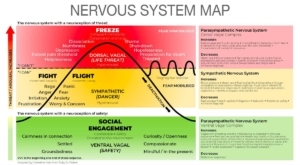
These are all natural nervous system responses. According to Polyvagal Theory (Dr. Stephen Porges), trauma shifts our body into survival states — fight, flight, freeze, or fawn — to protect us. Healing means gently guiding the body back toward safety, connection, and regulation.
How Trauma Can Happen
Trauma can stem from:
-
A single event (e.g., accident, assault, loss)
-
Chronic experiences (e.g., abuse, neglect, war, ongoing stress)
-
Vicarious or generational trauma — witnessing harm or inheriting unprocessed family trauma patterns
Whatever the cause, trauma is not your fault — and healing is always possible.
Collective Trauma and the Times We’re Living In
We are living through a time of profound change and uncertainty.
The last few years have brought collective stressors — global pandemics, climate anxiety, economic instability, war, and social division. These experiences don’t just affect individuals — they ripple through communities and generations.
This is known as collective trauma: the shared emotional and physiological imprint of events that impact whole groups of people.
It can show up as exhaustion, disconnection, fear, or a sense that the world no longer feels safe or predictable.
If you’ve been feeling more anxious, heavy, or numb lately — you are not alone.
Your body is responding exactly as it’s designed to in times of prolonged stress and uncertainty.
Healing collective trauma begins with connection and compassion — remembering that we’re part of something larger than ourselves. When one person heals, it contributes to the healing of the wider web of life.
Now more than ever, the world needs calm, grounded, and compassionate people — and it’s okay if that begins with simply caring for yourself.
“Your healing is not self-indulgent — it’s an act of service to the collective.”
Transforming Trauma
We can’t change what happened, but we can change how it lives in the body.
Healing begins when we bring compassion and awareness to our pain — when we gently acknowledge what we’ve been holding.
“We can only release what we are willing to see.”
Bringing trauma into the light allows integration, connection, and deep transformation.
Why Healing Matters
Trauma fundamentally changes how we see ourselves and the world. It can disrupt our trust in self, body, and others.
When the body lives in constant stress, it impacts every system — emotional, physical, and relational.
Common symptoms may include:
-
Sleep disturbance
-
Immune system dysregulation
-
Anxiety, anger, or depression
-
Muscle tension or chronic pain
-
Digestive or cardiovascular issues
-
Difficulties with intimacy or sexuality
Healing allows your body to shift out of survival and back into safety, connection, and creativity — your natural birthright.
Four Trauma-Informed Paths to Healing
1. Somatic Embodiment: Returning to the Body
When trauma occurs, we often disconnect or “leave” our body to survive.
Somatic healing invites us to gently come back home to our body in safe, gradual ways.
This “bottom-up” approach helps the body regulate before the mind tries to make sense of things.
Try asking yourself regularly:
-
What am I feeling in my body right now?
-
What do I need — rest, movement, quiet, connection?
-
Can I offer myself compassion in this moment?
Gentle practices include:
-
Resting and grounding
-
Yoga, mindful movement, or shaking
-
Touching the earth, breathing slowly, or resting in child’s pose
These simple actions build trust and safety within your body — the foundation for all healing.

2. Changing the Narrative: Cultivating Self-Compassion
Healing involves changing the internal story from “What’s wrong with me?” to “What happened to me — and how can I support myself now?”
Practices like Metta Bhavana (Loving-Kindness Meditation) can help nurture self-compassion. This isn’t about toxic positivity — it’s about meeting yourself with softness, especially when life feels hard.
Self-compassion rewires your nervous system toward safety and belonging, helping you reconnect to your innate goodness.

3. Breathwork: Regulating from Within
Your breath is one of the most powerful tools for nervous system regulation.
When we’re anxious or in survival mode, we often breathe quickly and shallowly — sending the body signals of danger. Slowing and deepening the breath helps restore calm and balance.
Coherent Breathing is one evidence-based method shown to reduce stress hormones and improve heart-brain synchronization (McCraty et al., HeartMath Institute).
Try this:
-
Inhale gently for 5–6 seconds
-
Exhale gently for 5–6 seconds
-
Continue for several minutes
You may notice your body softening, heart rate slowing, and mind becoming clearer.
4. Connection: Self-Regulation and Co-Regulation
Healing doesn’t happen in isolation. Humans are wired for connection — our nervous systems regulate through safe relationships.
Self-regulation practices (like yoga, breathwork, journaling, or time in nature) help you recognize and soothe your own states.
Co-regulation happens through attuned connection — being with people (or animals) who feel safe, calm, and grounded.
This might look like:
-
Sharing presence with a trusted friend or therapist
-
Group classes or gentle community spaces
-
Hugging a loved one or spending time with a pet
Connection restores safety. Safety restores healing.
Expanding Your Window of Tolerance
Dr. Dan Siegel describes the Window of Tolerance as the zone where we can stay calm and flexible while managing life’s ups and downs.
Through gentle somatic work and supportive relationships, we can widen this window — so we’re less reactive, more resilient, and better able to flow with life.
“We rise higher when our roots grow deeper.”
Healing is not about perfection — it’s about presence.
Each small act of self-awareness, compassion, and connection strengthens your capacity to thrive.
About Sarah King
Sarah King is the founder of Balanced Body Wellness, an eco-wellness company offering healing through yoga, nature connection, and trauma-informed somatic coaching.
Having navigated her own journey through mental illness and recovery, Sarah brings deep compassion and authenticity to her work. She holds 500 hours of Yoga Alliance training, including 80 hours in Trauma-Informed & Resilience Training.
To work with Sarah or learn more:
balancedbodywellnessuk.com
balancedbodywellnessuk@gmail.com
A Note from Sarah
If anything in this blog resonates with you, please reach out. You don’t have to navigate your healing journey alone.
I offer trauma-informed somatic coaching and yoga-based healing for individuals and groups — online or in person.
And please know: price should never be a barrier to healing.
If you feel called to work together but are facing financial constraints, reach out anyway. We’ll find a way to make it accessible for you.